
Tiling the walls can be a great option when it comes to remodeling your kitchen. You can tile the whole wall, half of it, or tile the corner. You can also tile the floor or the upper shelves. Here are some tiling tips for your kitchen walls.
Tiling half the wall
If you’re tiling half the wall, you’ll find it much easier to keep the pattern and grouting straight. You can choose beveled or rounded edge tiles, which won’t require corner trimming bathroom tiler Sydney. Make sure you measure the width and height of the wall before starting. Once you have measured, you can mark where you want your tiles to start and stop. You can also use a pencil to keep the wall’s middle, making tiling easier.
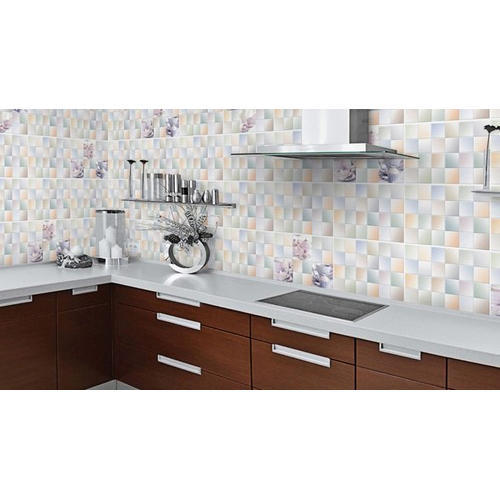
Subway tiles are a great design statement for your kitchen but are also expensive. If you’re looking for a less expensive option, you can use hexagon tiles. Make sure they’re the same color, as this will help keep the overall look simple.
Tiling the corner
There are a few tips to keep in mind when tiling the corner of your kitchen walls. First, you must make sure that the wall’s surface is level. This will allow you to lay the tile properly and avoid any breaks. Also, be sure that the tile cuts are level.
Then, place the tile with the cut edge facing the corner of the wall. Then, place the other cut edge of the tile next to the full tile in the last corner. You should leave a space of about a quarter inch between the tiles. Repeat this process for each corner tile.
The next step is to apply tile adhesive to the corner. You can use silicone to fill the space if the hub is not level. You can also use a spirit level to check the tiles’ level. You should also leave enough space for the tiles to expand while installing them.
Tiling the upper shelves
Tiling the upper shelves in the kitchen can add an elegant touch to your kitchen while also protecting your walls from water damage. Tiles can be applied directly on the shelves, or you can caulk the edges to ensure that the tile does not sag. A caulking gun is a helpful tool in this situation and can be easily used to seal the edges of wood shelves and tiles.
When tiling the upper shelves of your kitchen, choose a tile similar to the shelving. For example, white subway tile will work well with any type of shelving. You can also opt for marble-look tiles of different sizes. It is also possible to offset the tiles or stack them vertically. When you choose a tile, make sure to consider the color of your open shelving. White is always a popular choice for open shelving, so it is important to choose a tile that complements it.
Tiling the floor
Before tiling the floor in your kitchen walls, you should measure the space carefully. First, draw a floor plan and measure the distances from doorways, windows, and other major viewpoints. Mark these points on the floor plan to ensure the tile is positioned properly.
Then, use a level and guideline to line up the first row of tiles. This will ensure that the tiles cover all space beneath, avoiding cracking. Secondly, place spacers between tiles. Spacers keep the floor tiles from sliding around until the adhesive is dry. In addition, use a lash clip system to keep the tiles level. This is most effective for larger tiles with polished finishes.
Costs
The costs of tiled kitchen walls can vary greatly. Depending on the size of the kitchen, you can expect to spend anywhere from R450 to R1500 per square meter. It’s best to get an estimate from at least three tilers before you start the work. The price will depend on the size of the kitchen, the style of tile, and the amount of tile you need.
A straight lay pattern will cost the least for a relatively small job. It will cost you more if you’d like a more complicated pattern. Small tiles are less expensive than larger tiles, but they can be difficult to work with. Tiles in complex patterns are more expensive and require more time to install. Diagonal or herringbone patterns can cost anywhere from $3 to $6 per square foot.